New Project Unveiled to Engineer Military Working Dogs
A new venture backed by $200 million in funding plans to genetically engineer canines for the U.S. military and law enforcement.
By Natalia Campos ·
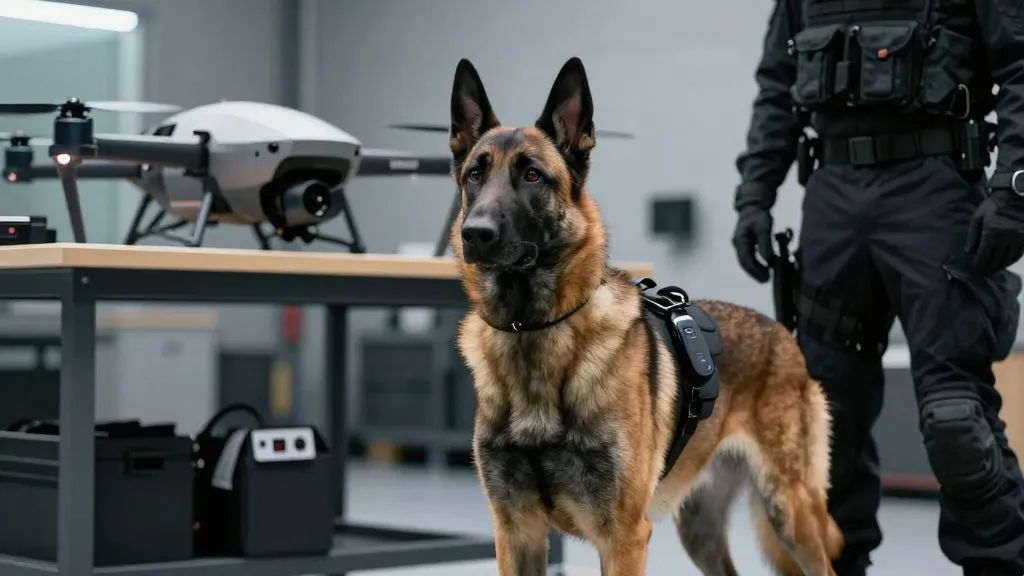
A project to develop genetically engineered canines for the U.S. military and emergency responders has been revealed, emerging from stealth with $200 million in seed funding. The venture, named Warhound, is a collaboration between Colossal Biosciences' Ben Lamm and Anduril's Palmer Luckey, aiming to address a critical shortage of qualified working dogs for national security and emergency response roles.
The funding round, which values the company at $1.2 billion, includes investment from Sequoia, 8VC, Corner Ventures, and In-Q-Tel, the venture capital firm backed by the CIA and other U.S. intelligence agencies. The capital will be used to engineer canines for tasks considered hazardous for humans or difficult for machines, such as bomb detection and search operations.
Warhound's business premise is based on a significant challenge in the U.S. military's supply chain: over 80% of its working dogs are imported from Europe, and fewer than half of those imported animals are deemed fit for service. This reliance on foreign sources has led to a dwindling supply of qualified canines. To counter this, Warhound plans to use Colossal's technology to create animals with specific traits for demanding missions.
The process involves taking cell lines from top-performing working dog breeds, the Belgian Malinois and German Shepherd, and storing them in a biobank. From there, genetic modifications will be made to enhance desirable characteristics and remove predispositions to health problems that often cause animals to fail in training. Lamm noted that potential improvements could include health, longevity, speed, agility, or enhanced olfactory sensors.
Anduril is slated to contribute hardware and software for the canines, such as protective vests and goggles designed to improve situational awareness for both the animal and its handler. Lamm said the equipment could include bulletproof vests with data sensors that transmit information back to handlers, enhancing coordination and safety for the team.
The first batch of animals is scheduled for cloning and incubation, with births anticipated early next year. The company's aim is for the dogs to begin service within two years. Viagen, another company owned by Colossal, will partner on the cloning process. Warhound has not yet determined pricing for the dogs but intends to sell them to first responders, the Department of Defense, and police forces.
In a statement, the American Humane Society said, “We applaud Warhound and Colossal for inviting the country’s first national humane organization, which is grounded in science and ethics, to have a seat at the table. We look forward to working with them to help ensure the animals in their care are treated humanely.” The society will help certify the training program for the new dogs.
Source: TechCrunch